NASA Accelerates Plans for First Lunar Base and Nuclear-Propulsion Spacecraft
NASA is vigorously pursuing ambitious projects that are set to redefine the future of space exploration. The agency's top priorities include establishing a permanent lunar outpost and developing advanced propulsion technologies, such as nuclear engines for spacecraft. These groundbreaking initiatives are designed not only to return humans to the Moon but also to lay the foundation for future missions to Mars and beyond.
Lunar Base: The Artemis Program and Gateway
The Artemis program stands as a cornerstone of NASA's strategy for sustained lunar presence. Its objective extends beyond brief visits, aiming for a long-term human footprint on the Moon. This involves constructing a lunar base that will serve as a scientific research hub and a testing ground for technologies vital for deep-space travel. A key component is the Gateway orbital outpost, which will provide crucial support for lunar missions and facilitate deep-space research. Plans also include leveraging lunar resources, such as water ice, for fuel production and life support systems, paving the way for self-sufficiency.
Nuclear Propulsion: A Revolution in Space Travel
Concurrently with its lunar endeavors, NASA is heavily investing in the development of nuclear propulsion systems for spacecraft. Conventional chemical rockets face significant limitations in terms of speed and efficiency, rendering long-duration journeys to Mars or further exceptionally time-consuming and resource-intensive. Nuclear thermal propulsion (NTP) and nuclear electric propulsion (NEP) promise to dramatically cut transit times, making interplanetary travel more feasible and safer. Faster travel reduces astronauts' exposure to radiation and lessens the need for vast fuel reserves. Advancing these technologies is critical for humanity's eventual journey to the Red Planet and beyond.
Global Competition and Collaboration
These formidable efforts by NASA unfold amidst a surging global interest in space. Various nations and private sector entities are also actively advancing their own space programs. In this renewed race for space leadership, NASA aims not only to affirm its pioneering role but also to foster international cooperation, acknowledging that space exploration is a global endeavor demanding the collective efforts of humanity.
Fresh materials — Science News

Blockbuster Retatrutide Trial: A New Benchmark for Weight-Loss Drugs
The experimental weight-loss drug retatrutide has reached a significant milestone: a Phase 3 clinical trial showed participants with type 2 diabetes losing up to 49.6 pounds, or over 20 percent of their body weight. Eli Lilly, the drug's developer, reported this as a first for the field.
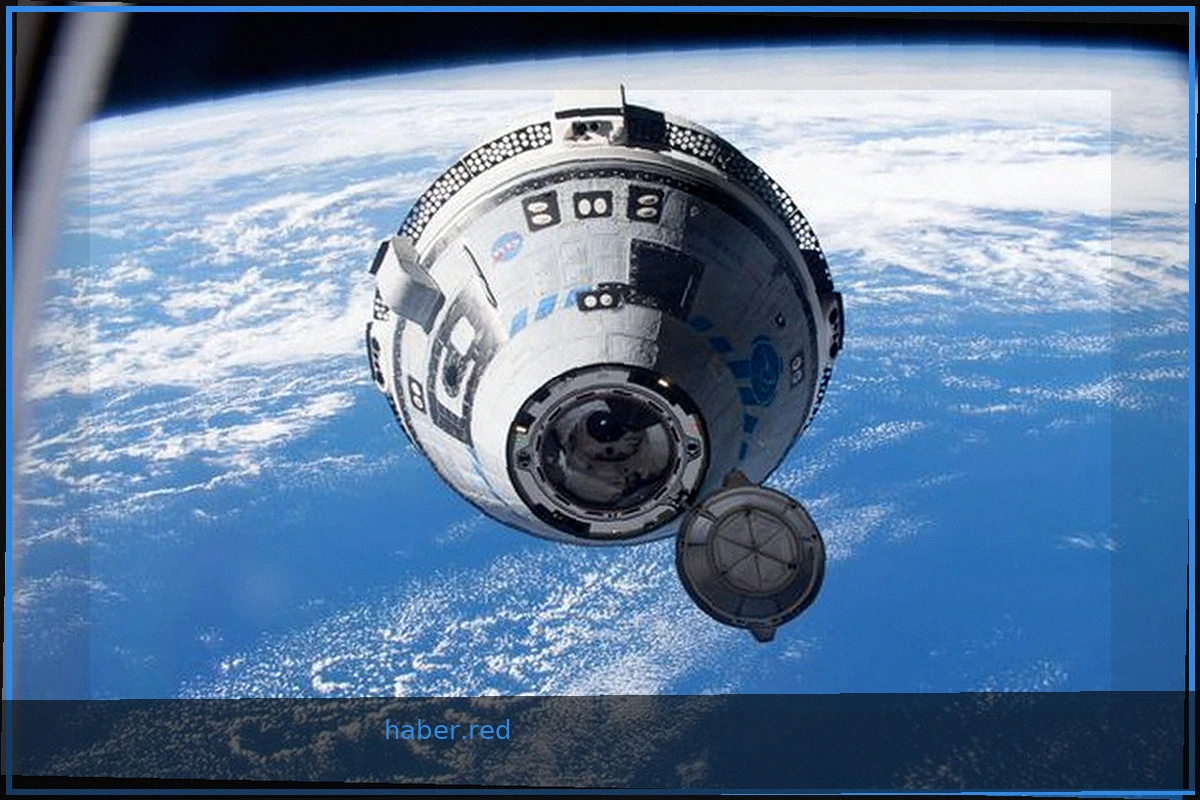
NASA Pursues Uncrewed and Crewed Missions with Boeing's Starliner
Boeing's Starliner spacecraft will attempt to fly NASA astronauts to space again, this time following an uncrewed test flight to the International Space Station (ISS). NASA administrator Bill Nelson announced that the capsule is scheduled for an uncrewed mission as early as December. This represe

TikTok promotes home remedy that risks botulism
A homemade concoction of garlic fermented in honey, trending on TikTok for its supposed immune-boosting properties, carries a serious risk of causing botulism, according to health experts. Influencers on the platform are promoting this mixture in numerous videos, claiming it

Trump's Proposed Executive Order on NIH Funding: A Threat to Scientific Independence and Innovation
A reported plan by President Donald Trump to establish a committee that would oversee, and potentially veto, scientific grants from the nation's leading health agency could diminish U.S. scientific and innovation leadership, according to advocates and researchers. This proposed

Missing Pages of Henry VIII Manuscript Rediscovered
Six pages, missing for centuries from a 600-year-old religious manuscript, have resurfaced. This book once belonged to an attendant of King Henry VIII and offers insights into the religious changes and shifting loyalties of the Tudor court. The book, Mirror of the Blessed Life of Jesus Chri

Japan Achieves Centenarian Milestone: Over 100,000 Citizens Reach 100+
The number of people living to 100 or older in Japan has surpassed 100,000. This new record indicates a continued increase in global lifespans. Japan's high life expectancy is attributed to several factors: low obesity rates, healthy eating habits, widespread medical check-ups, and accessible he