Should You Take Creatine? The Science-Backed Answer
Creatine, a widely discussed supplement in fitness circles and among health enthusiasts, is often lauded for its potential to enhance muscle strength and cognitive function. But how much of this is supported by scientific research? This article delves into what the science says about creatine's effectiveness.
The research indicates that creatine monohydrate, the most studied form, is generally safe and effective for increasing muscle mass and strength. It works by helping your muscles produce energy during high-intensity exercise. This means you can potentially perform more reps or lift heavier weights, leading to greater muscle growth over time.
Beyond physical performance, emerging research suggests that creatine may also offer benefits for brain health. Studies have explored its role in improving cognitive functions such as memory, reasoning, and alertness, particularly in situations of stress or sleep deprivation. While more research is needed to fully understand these effects, the initial findings are promising.
For individuals considering creatine supplementation, it's important to note that while generally safe, individual responses can vary. Consulting with a healthcare professional or a registered dietitian is recommended to determine if creatine is appropriate for your specific needs and health goals, and to discuss proper dosage and potential interactions.
Fresh materials — Science News

Blockbuster Retatrutide Trial: A New Benchmark for Weight-Loss Drugs
The experimental weight-loss drug retatrutide has reached a significant milestone: a Phase 3 clinical trial showed participants with type 2 diabetes losing up to 49.6 pounds, or over 20 percent of their body weight. Eli Lilly, the drug's developer, reported this as a first for the field.
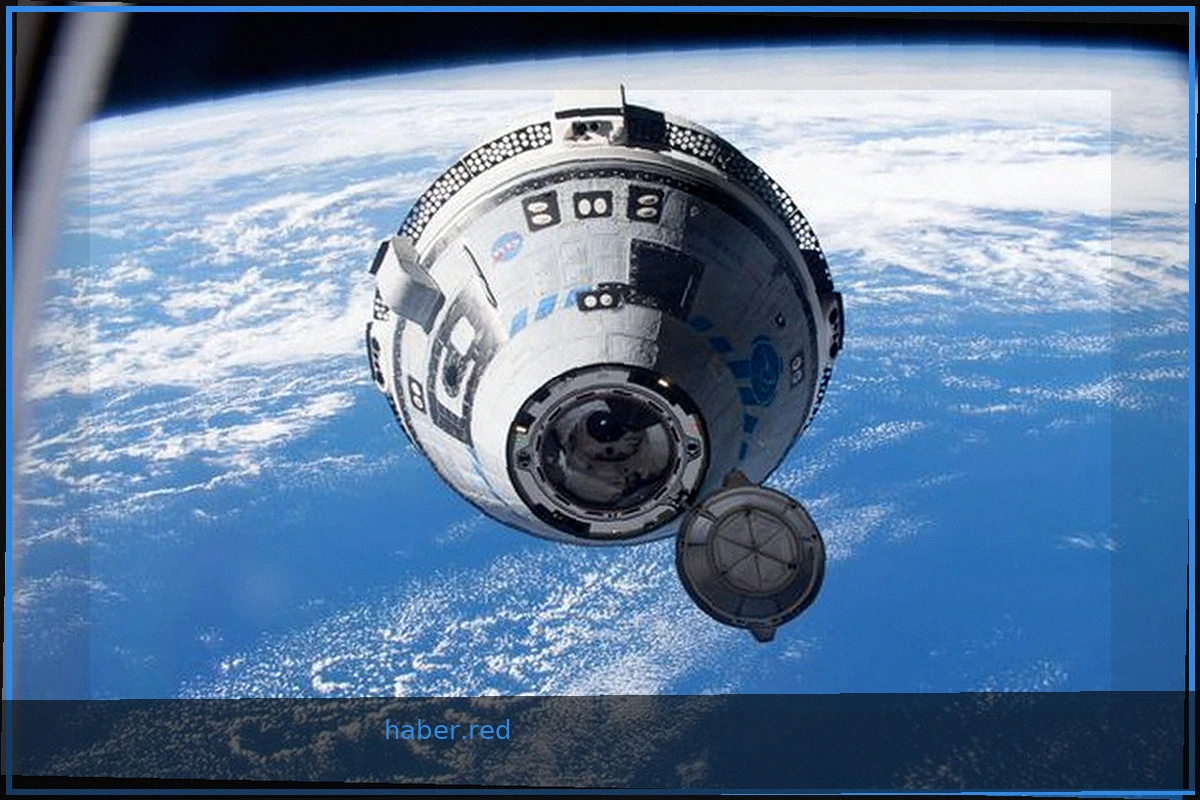
NASA Pursues Uncrewed and Crewed Missions with Boeing's Starliner
Boeing's Starliner spacecraft will attempt to fly NASA astronauts to space again, this time following an uncrewed test flight to the International Space Station (ISS). NASA administrator Bill Nelson announced that the capsule is scheduled for an uncrewed mission as early as December. This represe

TikTok promotes home remedy that risks botulism
A homemade concoction of garlic fermented in honey, trending on TikTok for its supposed immune-boosting properties, carries a serious risk of causing botulism, according to health experts. Influencers on the platform are promoting this mixture in numerous videos, claiming it

Trump's Proposed Executive Order on NIH Funding: A Threat to Scientific Independence and Innovation
A reported plan by President Donald Trump to establish a committee that would oversee, and potentially veto, scientific grants from the nation's leading health agency could diminish U.S. scientific and innovation leadership, according to advocates and researchers. This proposed

Missing Pages of Henry VIII Manuscript Rediscovered
Six pages, missing for centuries from a 600-year-old religious manuscript, have resurfaced. This book once belonged to an attendant of King Henry VIII and offers insights into the religious changes and shifting loyalties of the Tudor court. The book, Mirror of the Blessed Life of Jesus Chri

Japan Achieves Centenarian Milestone: Over 100,000 Citizens Reach 100+
The number of people living to 100 or older in Japan has surpassed 100,000. This new record indicates a continued increase in global lifespans. Japan's high life expectancy is attributed to several factors: low obesity rates, healthy eating habits, widespread medical check-ups, and accessible he