The Race to Detect Wildfires Early
The ability to identify wildfires in their nascent stages, before they rapidly escalate and become uncontrollable, holds immense potential to save numerous lives annually. After decades of dedicated technological advancement, this critical capability may finally be within reach.
Early detection of wildfires is crucial for mitigating their devastating impact. When fires are spotted and addressed while still small, the chances of containment are significantly higher, leading to fewer evacuations, less destruction of property and ecosystems, and, most importantly, the preservation of human life.
Researchers and innovators worldwide are pushing the boundaries of technology to achieve this goal. This includes leveraging advanced satellite imagery, sophisticated sensor networks, artificial intelligence for pattern recognition, and even drone technology for rapid aerial surveillance. The collective effort aims to create systems that can reliably and quickly pinpoint the ignition of a fire, even in remote or inaccessible areas.
The development pipeline is brimming with promising solutions. From analyzing thermal anomalies from space to deploying ground-based sensors that detect smoke plumes or unusual heat signatures, the focus is on creating a multi-layered defense system. AI plays a pivotal role in sifting through vast amounts of data, learning to distinguish genuine fire signals from false alarms, and predicting fire behavior based on environmental factors.
While the challenges remain considerable – including vast geographical coverage, weather conditions, and the sheer speed at which fires can spread – the progress made in recent years is remarkable. The ongoing race to perfect early wildfire detection is not just a technological endeavor; it's a vital undertaking for the safety and resilience of communities and the environment in the face of a growing threat.
Fresh materials — Science News

Blockbuster Retatrutide Trial: A New Benchmark for Weight-Loss Drugs
The experimental weight-loss drug retatrutide has reached a significant milestone: a Phase 3 clinical trial showed participants with type 2 diabetes losing up to 49.6 pounds, or over 20 percent of their body weight. Eli Lilly, the drug's developer, reported this as a first for the field.
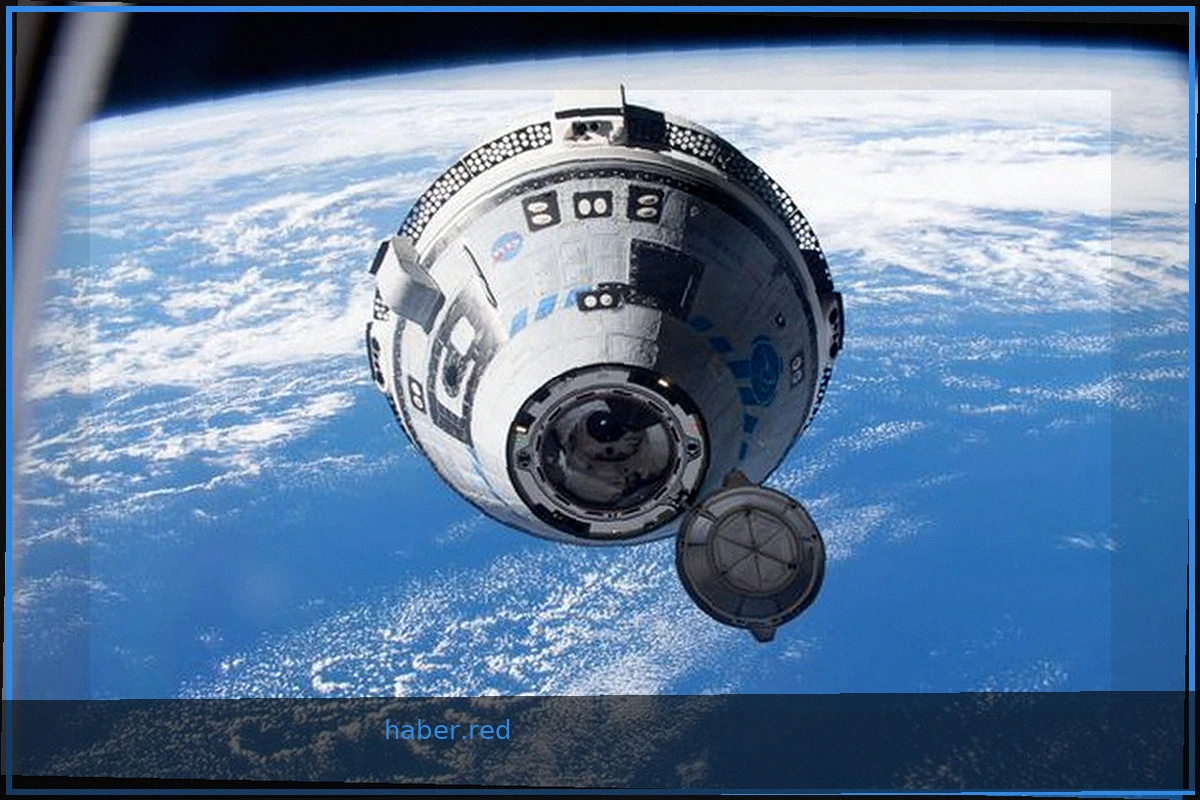
NASA Pursues Uncrewed and Crewed Missions with Boeing's Starliner
Boeing's Starliner spacecraft will attempt to fly NASA astronauts to space again, this time following an uncrewed test flight to the International Space Station (ISS). NASA administrator Bill Nelson announced that the capsule is scheduled for an uncrewed mission as early as December. This represe

TikTok promotes home remedy that risks botulism
A homemade concoction of garlic fermented in honey, trending on TikTok for its supposed immune-boosting properties, carries a serious risk of causing botulism, according to health experts. Influencers on the platform are promoting this mixture in numerous videos, claiming it

Trump's Proposed Executive Order on NIH Funding: A Threat to Scientific Independence and Innovation
A reported plan by President Donald Trump to establish a committee that would oversee, and potentially veto, scientific grants from the nation's leading health agency could diminish U.S. scientific and innovation leadership, according to advocates and researchers. This proposed

Missing Pages of Henry VIII Manuscript Rediscovered
Six pages, missing for centuries from a 600-year-old religious manuscript, have resurfaced. This book once belonged to an attendant of King Henry VIII and offers insights into the religious changes and shifting loyalties of the Tudor court. The book, Mirror of the Blessed Life of Jesus Chri

Japan Achieves Centenarian Milestone: Over 100,000 Citizens Reach 100+
The number of people living to 100 or older in Japan has surpassed 100,000. This new record indicates a continued increase in global lifespans. Japan's high life expectancy is attributed to several factors: low obesity rates, healthy eating habits, widespread medical check-ups, and accessible he