AI's Evolution and Global Warming's Impact on Soil Microbes
This article delves into two pivotal scientific topics: the current landscape and future trajectory of Artificial Intelligence (AI), and the profound impact of global warming on soil microbes.
Regarding AI, we examine its current stage of development, addressing the perceived temporary "plateau" in its progress and exploring the future prospects for moving beyond this phase. Discussions include aspects such as the stagnation of AI benchmarks, the ongoing quest for a clear definition of Artificial General Intelligence (AGI), AI's potential to act as an "agent of chaos," and its observed effect of intensifying work rather than reducing it. The influence of AI on contemporary hiring practices is also a significant consideration.
Shifting to climate change, the focus turns to how global warming specifically affects the microorganisms residing in our soil. Research indicates that an increase in soil temperature by just 5 degrees Celsius above ambient levels can provide crucial insights into the broader environmental warming effects. This phenomenon is critical due to its direct link with increased carbon dioxide emissions, which consequently disrupt the natural carbon cycle. Microbes, including various bacteria and fungi, along with their intricate metabolic processes, are fundamental components of this cycle. Any alteration to their activity has significant ecological implications, impacting the planet's ability to regulate carbon and maintain environmental balance.
Fresh materials — Science News

Blockbuster Retatrutide Trial: A New Benchmark for Weight-Loss Drugs
The experimental weight-loss drug retatrutide has reached a significant milestone: a Phase 3 clinical trial showed participants with type 2 diabetes losing up to 49.6 pounds, or over 20 percent of their body weight. Eli Lilly, the drug's developer, reported this as a first for the field.
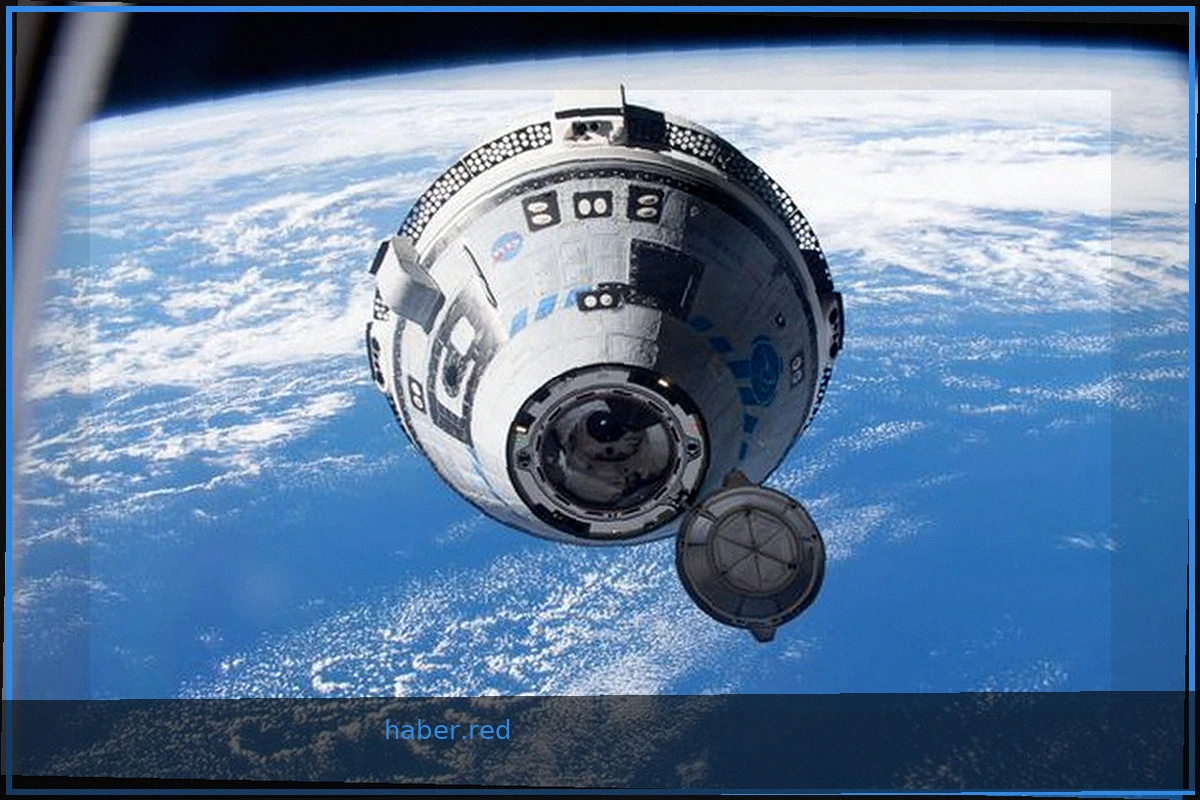
NASA Pursues Uncrewed and Crewed Missions with Boeing's Starliner
Boeing's Starliner spacecraft will attempt to fly NASA astronauts to space again, this time following an uncrewed test flight to the International Space Station (ISS). NASA administrator Bill Nelson announced that the capsule is scheduled for an uncrewed mission as early as December. This represe

TikTok promotes home remedy that risks botulism
A homemade concoction of garlic fermented in honey, trending on TikTok for its supposed immune-boosting properties, carries a serious risk of causing botulism, according to health experts. Influencers on the platform are promoting this mixture in numerous videos, claiming it
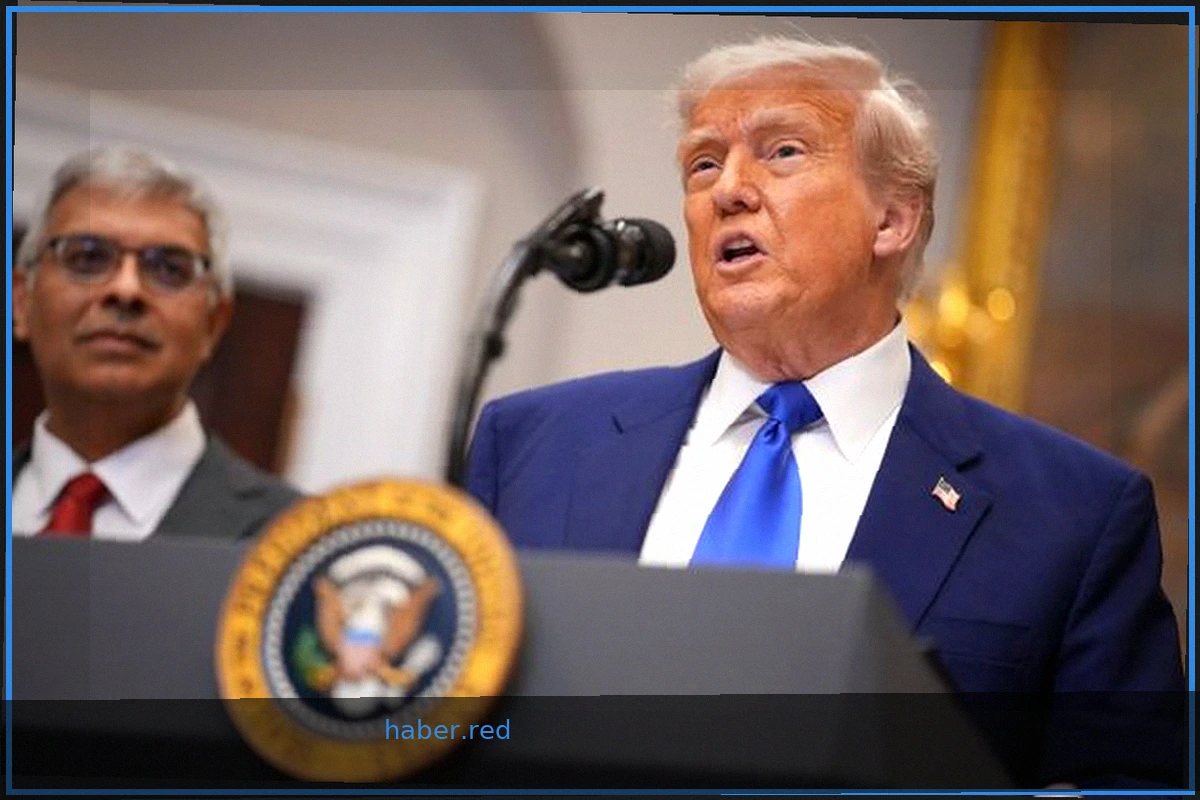
Trump's Proposed Executive Order on NIH Funding: A Threat to Scientific Independence and Innovation
A reported plan by President Donald Trump to establish a committee that would oversee, and potentially veto, scientific grants from the nation's leading health agency could diminish U.S. scientific and innovation leadership, according to advocates and researchers. This proposed

Missing Pages of Henry VIII Manuscript Rediscovered
Six pages, missing for centuries from a 600-year-old religious manuscript, have resurfaced. This book once belonged to an attendant of King Henry VIII and offers insights into the religious changes and shifting loyalties of the Tudor court. The book, Mirror of the Blessed Life of Jesus Chri

Japan Achieves Centenarian Milestone: Over 100,000 Citizens Reach 100+
The number of people living to 100 or older in Japan has surpassed 100,000. This new record indicates a continued increase in global lifespans. Japan's high life expectancy is attributed to several factors: low obesity rates, healthy eating habits, widespread medical check-ups, and accessible he