Russian Industry in 2026: Drivers of Stability Amidst Sanctions
In early 2026, Russian industrial production experienced a slight decline of 0.8% compared to the same period in the previous year. However, certain manufacturing sectors are demonstrating robust growth, significantly contributing to the country's economic resilience. Among the leading growth areas are medicine and pharmaceuticals, the production of electronic products, and other transport equipment.
- Production of medicines and materials used for medical and veterinary purposes: 8.3%;
- Production of computers, electronic, and optical products: 7.3%;
- Production of other transport vehicles and equipment: 19.8%.
Medical Industry Among Leaders
The medical device market is currently undergoing substantial transformations. While high-tech sectors (such as MRI and ultrasound equipment) still largely depend on imports, Russian manufacturers are actively expanding their presence in basic medical products, with pharmaceuticals showing particular strength.
This surge in production is fueled by increased demand for domestic goods, alongside active state support measures, including restrictions on the procurement of foreign goods. Grants, social tax benefits, and adaptive pricing policies further underpin the stability of these industries. Russian products are frequently 2-3 times more affordable than their foreign counterparts while maintaining comparable quality, and delivery times for imported goods can often stretch to several months. These factors contribute to competitive pricing, facilitated by localized production and technological processes.
Despite these positive trends, the share of domestic products in the market currently does not exceed 30%. To effectively compete with international companies, established technologies, reliable access to components, and an attractive investment climate are essential.
Obstacles to Growth
Complexities such as lengthy registration periods with Roszdravnadzor (the federal service for surveillance in healthcare) and difficulties in obtaining necessary documents from the Ministry of Industry and Trade significantly impede the development of manufacturers. The procedure for confirming the Russian origin of products is so bureaucratic that it requires years of effort, even with professional consultants. Moreover, the development of new products is inherently a costly and time-consuming process.
The crucial question of how to foster greater trust in domestic products remains pertinent. Doctors could play a pivotal role in this regard by communicating the advantages and prospects of Russian goods to the public. Many manufacturers are proactively working on the clinical approbation of their equipment. Despite various challenges, it is evident that Russian industrial production is gaining momentum, and, paradoxically, the imposition of sanctions has served as a catalyst for this growth.
Another Challenge: Personnel Shortage
The deficit of qualified personnel in the medical equipment industry mirrors a broader issue across many technological manufacturing sectors. There is a noticeable shortage of medical engineers and mid-level technical staff. Current production facilities often rely on specialists from an older generation, as younger generations infrequently opt for technical professions.
Comprehensive and multi-faceted measures to enhance the attractiveness of technical specialties—such as establishing modern vocational schools and investing in high-tech industries—will be instrumental in addressing this problem. The appeal of these professions will naturally increase in environments where there is genuine interest, clear career prospects, and fair remuneration.
Fresh materials — Society News
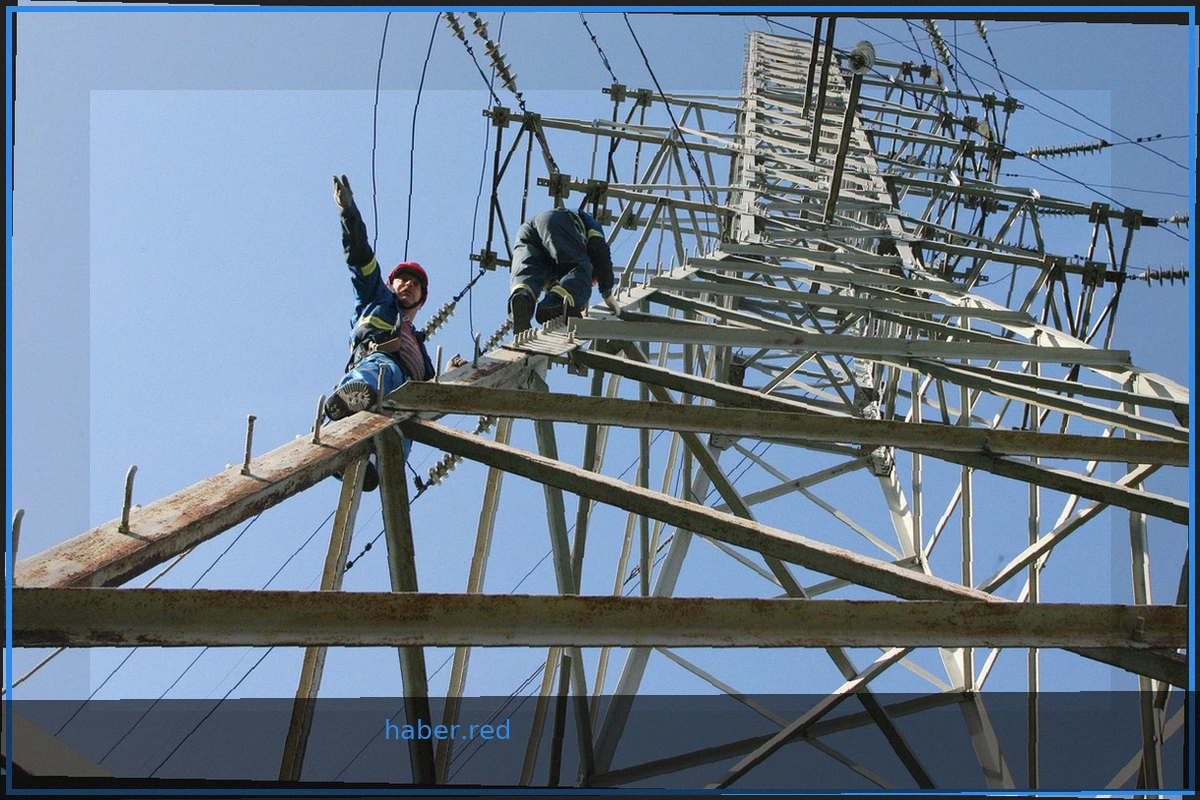
Power engineers restoring networks after storms in three Primorye districts
Power engineers are working to fix network issues in populated areas across three districts of Primorye, according to the Far Eastern Distribution Grid Company. Primorye is experiencing a storm warning for October 5-6, with predictions of heavy to very heavy rainfall, potential river leve
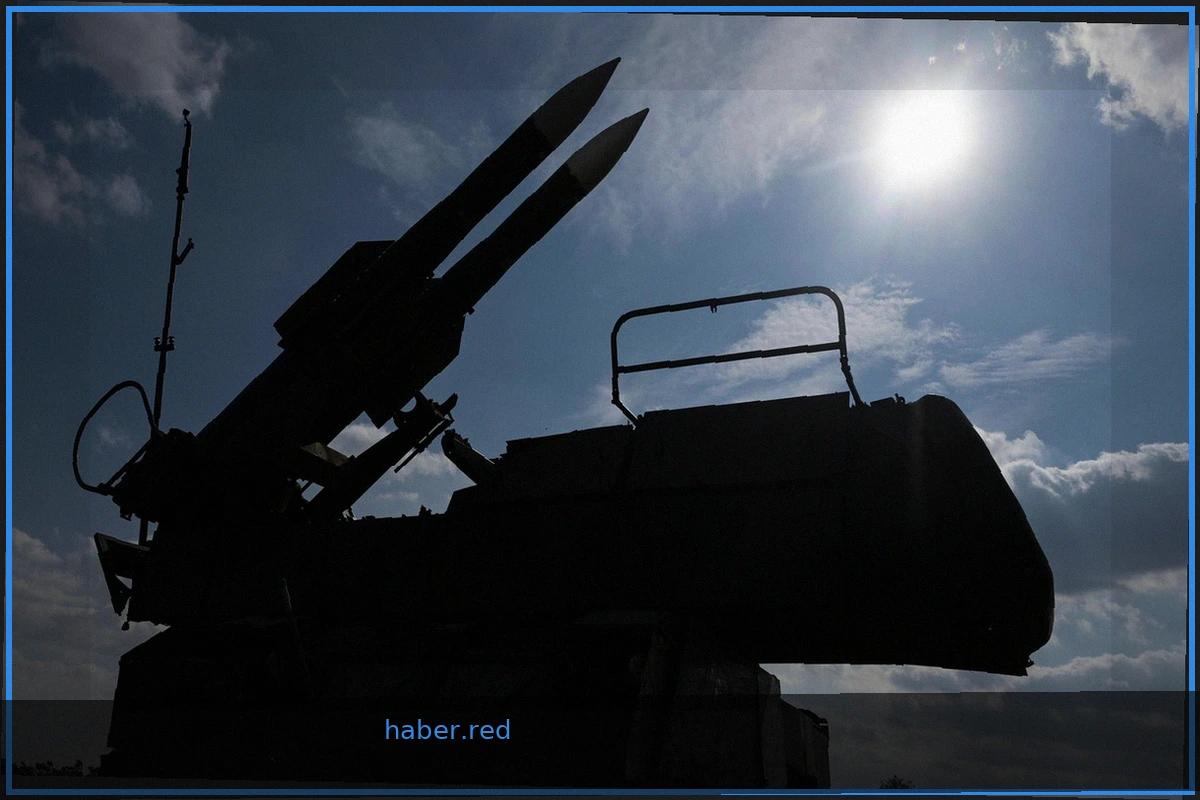
14 Ukrainian Drones Downed Over Oryol Region
Fourteen unmanned aerial vehicles (UAVs) were downed over the Oryol region on Sunday night. Governor Andrey Klychkov reported no injuries or damage resulting from the incidents. "Last night, 14 enemy UAVs were destroyed over the Oryol region. There are no damages or casualties," Klychkov stated v
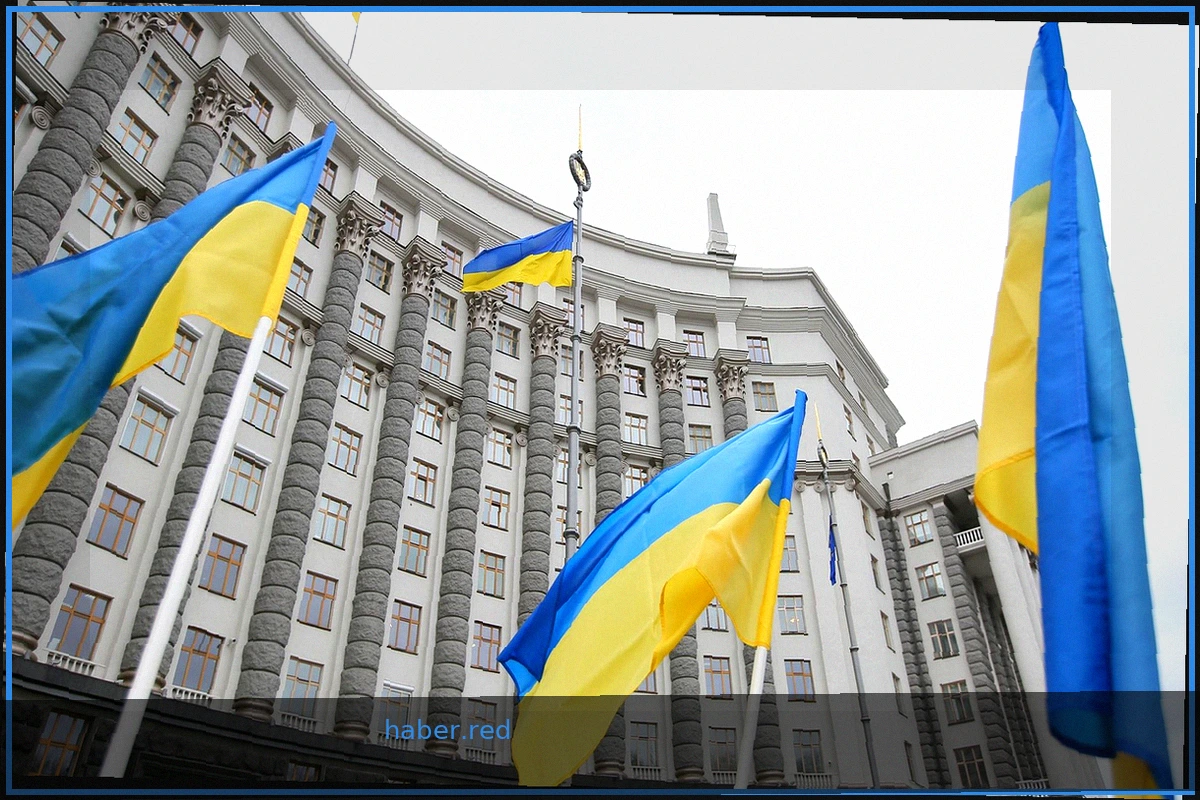
Ukraine Allocates 15 Times Less to Education Than to Armed Forces
In 2027, Ukraine plans to allocate 4.5% of its total budget expenditures to education. In contrast, 67.2% of the budget is earmarked for the needs of the Armed Forces, marking a fifteenfold disparity. According to data from the Ukrainian Ministry of Finance, the expenses for the education

Expert Assesses Democrats' Chances of Impeaching Trump
An impeachment attempt against US President Donald Trump will not succeed without a landslide victory for the Democrats in the upcoming congressional elections in November. This is primarily due to the substantial number of Senate seats they need to secure the required votes.

UK Considers New Sanctions on Iran Over Airbase Incident
Britain may impose further sanctions on Iran, suggesting a possible connection between Tehran and an incident at the Fairford airbase, according to the Telegraph, referencing UK Defence Secretary Wes Streeting. Iran's state broadcaster previously reported that the Iranian M
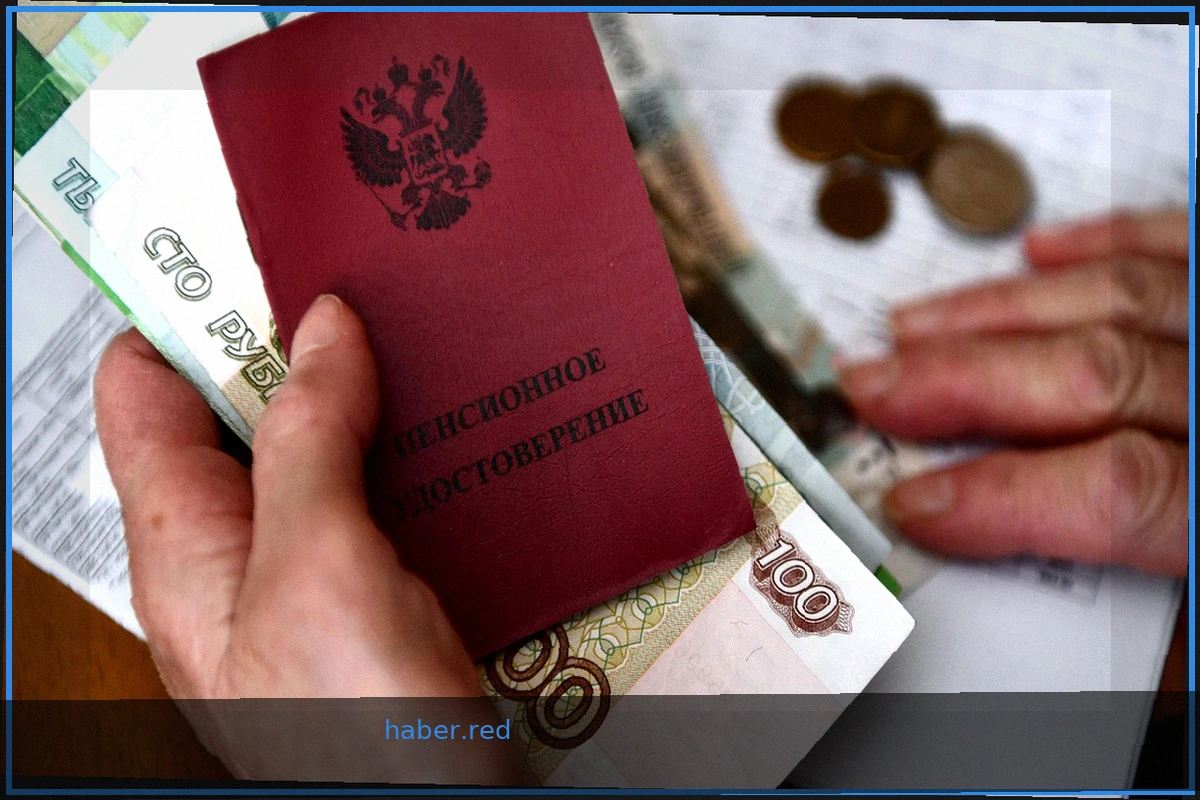
All Pension Types in Russia to Increase in 2027
In 2027, Russia will increase all pension categories: insured, social, and military. Insured pensions are set for two adjustments: a 6.8% rise in February and another 3.3% in April. Working pensioners will receive an additional recalculation in August. Social pensions are projected t